






Open-world games have evolved far beyond simply offering large maps. The best titles in the genre create worlds that reward curiosity, encourage discovery, and make every journey feel meaningful. Exploration has become one of the most valued aspects of modern gaming because players no longer want to simply follow objective markers—they want to feel immersed in living, breathing worlds full of secrets, lore, and environmental storytelling.
This article explores the top 5 games known for delivering the best exploration experience, analyzing what makes their worlds so compelling. From environmental design to hidden mechanics, each game offers a unique interpretation of exploration that stands above the rest. Whether you enjoy climbing mountains, discovering hidden ruins, or simply wandering without purpose, these titles represent the pinnacle of exploratory game design.
Why Exploration Matters in Modern Gaming
Exploration is one of the most immersive mechanics a game can offer because it transforms players from passive participants into active adventurers. Instead of being told where to go and what to do, players can forge their own path through the environment, making discoveries organically.
Games that prioritize exploration often feel more memorable because every player’s experience is different. One player may discover a secret cave early, while another may miss it entirely until dozens of hours later. This sense of individuality creates stories unique to each player.
Core Elements of Great Exploration
To make exploration rewarding, games usually need:
- A visually diverse world
- Meaningful rewards for curiosity
- Minimal hand-holding
- Environmental storytelling
- Secrets hidden off the main path
Without these elements, exploration can feel empty or repetitive.
What Makes an Open World Truly Great
A large map alone does not make an open world engaging. Many games feature massive environments but fail to make them interesting. A truly great open world feels handcrafted, layered with meaningful content, and full of environmental variation.
Developers must carefully balance freedom with purpose. Too much freedom can overwhelm players, while too little can make exploration feel restricted. The best games solve this by gently guiding players while still allowing discovery.
Immersion Through World Design
Environmental design is crucial. A mountain in the distance should make players want to climb it. A suspicious ruin should spark curiosity. Great open-world games understand how visual cues drive exploration naturally.
5. Horizon Forbidden West
Horizon Forbidden West offers one of the most visually stunning worlds in gaming. Set in a post-apocalyptic future where robotic creatures roam the land, the game combines natural beauty with futuristic ruins.
Its map is packed with environmental diversity, from deserts and forests to underwater ruins and snowy mountains. Every biome feels distinct, encouraging players to keep moving just to see what lies ahead.
Why Exploration Works Here
The verticality of the world greatly enhances movement and discovery. Players can:
- Climb mountains
- Glide from high points
- Dive underwater
- Traverse hidden caves
These mechanics make exploration dynamic instead of simply walking from point A to B.

4. Skyrim
Even years after release, The Elder Scrolls V: Skyrim remains one of the most beloved exploration-focused RPGs ever created. Its world is dense with caves, ruins, villages, and secrets waiting to be uncovered.
What makes Skyrim special is how naturally discovery happens. Players often start with one quest but end up distracted for hours by random encounters, hidden dungeons, or side stories.
Organic Discovery
Few games create "accidental adventure" better than Skyrim. Players constantly stumble into:
- Dragon encounters
- Hidden treasure
- Secret guild questlines
- Random NPC events
This unpredictability makes every journey memorable.
3. Red Dead Redemption 2
Red Dead Redemption 2 takes a slower, more realistic approach to exploration. Its world feels less like a game map and more like a living ecosystem.
From wildlife behavior to weather systems, every part of the world reacts dynamically. Simply riding through the wilderness can become an unforgettable experience because of how immersive the environment feels.
Environmental Storytelling Excellence
Rockstar fills the world with subtle details such as:
- Abandoned cabins with tragic backstories
- Hidden caves
- Strange encounters
- Dynamic NPC events
These moments reward players who explore carefully.

2. Elden Ring
Elden Ring revolutionized exploration in the Souls-like genre by removing restrictive level progression and replacing it with a massive interconnected world.
Its greatest strength is trust in the player. The game rarely tells players exactly where to go, instead encouraging them to follow landmarks, instincts, and curiosity.
Freedom Without Limits
The world design promotes exploration through:
- Hidden underground cities
- Optional bosses
- Secret dungeons
- Layered vertical environments
Every area feels packed with mystery and danger.
1. The Legend of Zelda: Breath of the Wild
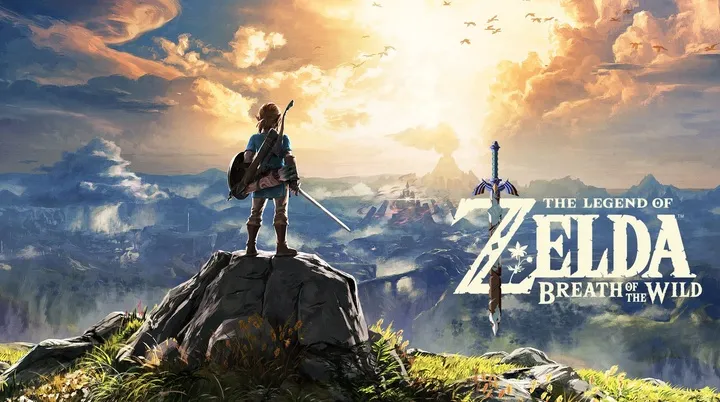
Breath of the Wild is widely considered the gold standard for open-world exploration. Nintendo completely redesigned traditional open-world conventions to focus on player-driven discovery.
Instead of cluttering the map with objectives, the game encourages players to simply observe the world and investigate anything interesting they see.
Revolutionary Design Philosophy
What sets it apart:
- Every mountain is climbable
- Every object follows physics rules
- Weather affects gameplay
- Curiosity is constantly rewarded
The game empowers players to solve problems creatively rather than following scripted paths.
How Exploration Enhances Replayability
Games with strong exploration mechanics naturally have higher replay value. Players often return because they know there are secrets they missed the first time.
A well-designed open world can feel fresh even after multiple playthroughs because exploration is based on discovery, not linear progression.
Reasons Players Replay Exploration Games
- Missed hidden areas
- Alternative quest outcomes
- Different character builds
- New discoveries after updates/mods
Replayability adds tremendous long-term value.
The Psychology Behind Exploration in Games
Exploration taps into the human desire for curiosity and discovery. Psychologically, players enjoy uncovering the unknown because it triggers reward mechanisms in the brain.
This is why games that hide secrets effectively often feel addictive. Players constantly chase the excitement of "what's over there?"
Reward Systems and Curiosity
Exploration motivates players through:
- Visual intrigue
- Hidden rewards
- Narrative mystery
- Surprise encounters
The anticipation itself becomes rewarding.
Future of Exploration in Gaming
As technology improves, exploration in games will likely become even more immersive. Better AI, procedural generation, and advanced physics systems could create worlds that react more dynamically than ever before.
Future exploration-based games may feature worlds that evolve based on player choices, making discovery feel even more personal.
Upcoming Trends
Potential innovations include:
- AI-generated dynamic events
- More reactive NPC ecosystems
- Fully destructible environments
- Procedural storytelling
These advancements may redefine exploration entirely.
Choosing the Right Exploration Game for You
Not every exploration game appeals to every player. Some prioritize realism, while others focus on fantasy or survival mechanics.
Choosing the right one depends on your preferences.
Best Pick by Player Type
- For realism: Red Dead Redemption 2
- For fantasy RPG fans: Skyrim
- For challenge seekers: Elden Ring
- For freedom lovers: Breath of the Wild
- For sci-fi fans: Horizon Forbidden West
Each delivers a different exploration style.
Conclusion
Exploration has become one of the defining features of modern gaming, and the best open-world titles understand that discovery is about more than just map size—it’s about curiosity, immersion, and rewarding the player’s sense of adventure. The games listed above each excel in creating worlds that feel worth exploring, whether through environmental storytelling, hidden secrets, or player freedom.
If you are looking for the ultimate exploration experience, The Legend of Zelda: Breath of the Wild remains the benchmark, while titles like Elden Ring and Red Dead Redemption 2 offer deeper or more immersive alternatives depending on your tastes.
Summary
Here’s a quick recap of the Top 5 Games for Best Exploration Experience:
- The Legend of Zelda: Breath of the Wild – Best overall freedom and discovery
- Elden Ring – Best for mystery and challenge
- Red Dead Redemption 2 – Best immersive realistic world
- Skyrim – Best fantasy adventure exploration
- Horizon Forbidden West – Best visual/environmental variety
These games demonstrate how exploration can transform gaming from a structured experience into a true adventure.