.webp) epicgamereviewers.com
epicgamereviewers.comHow to Play Supermarket Together – A Beginner’s Guide to Building the Strongest Store
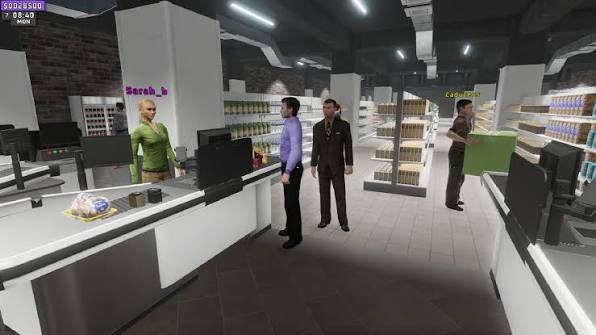
Cooperative simulation games have become increasingly popular because they allow players to enjoy continuous progression while mastering deep management mechanics. Supermarket Together takes this concept further by transforming a empty storefront into a bustling retail empire where your team orders inventory, sets competitive prices, restocks shelves, and handles checkout lines. Unlike traditional single-player simulators, Supermarket Together features dynamic customer traffic and multi-player logistics that change day by day, making every business shift a unique operational challenge.
Although the game provides accessible mechanics during early opening shifts, many beginners quickly hit progression walls because they order inventory randomly or mismanage product pricing. Knowing how to manage store capital, strengthen your store layout, and prepare for higher customer volume can dramatically increase your efficiency. This guide explains how to play Supermarket Together step by step, covering everything from your first delivery box to advanced franchise expansion strategies.
Understanding the Core Gameplay
The foundation of Supermarket Together is store management and real-time restocking logistics. Once the store doors open, your team manages customer flow across retail aisles, utilizing cash registers, price scanners, and restocking boxes to satisfy purchasing demands. Fulfilling customer orders rewards store profits and franchise experience, which are then invested into store upgrades that improve future shifts.
Unlike casual simulation titles that run automatically, Supermarket Together rewards careful planning. Choosing when to spend store capital, which license upgrades to prioritize, and how to balance profit margins with customer satisfaction determines how smoothly your progress continues.
Core Gameplay Loop
- Order wholesale inventory and unpack delivery boxes.
- Set item prices and display products on shelves.
- Process customer payments at cash registers.
- Unlock higher tier product licenses and store expansions.
- Repeat the cycle with higher efficiency.
Preparing for Your First Store Shift
After launching Supermarket Together, complete your lobby configuration and access the store layout setup menu. Instead of opening the doors to mass crowds unprepared, the game lets you organize starting shelves, check initial wholesale prices, and set up your checkout counter. This initial phase lets you familiarize yourself with box handling controls before inviting your first customers inside.
During your first shift, avoid ordering expensive luxury goods immediately. Spend several minutes observing how quickly basic groceries sell, how fast customer lines form at checkout, and how your restocking flow works before expanding your product catalog.
Beginner Tips
- Keep your shelves stocked: Supermarket Together rewards full displays. Leaving empty shelf spaces causes customer frustration and lost daily revenue.
- Avoid overpricing early: Many new players struggle early by raising prices too high above market average. In most cases, competitive pricing leads to safer long-term growth.
Learning the User Interface
The interface displays critical management data to keep you informed during busy store hours. Important information appears through store daily balance counters, franchise experience meters, product market price indicators, and time clocks. Spending time understanding each UI element early will save mistakes later.
Your main attention should focus on store cash flow, daily store rating, inventory stock levels, and register queue lengths. These key elements influence nearly every strategic decision throughout a business day.
Important UI Elements
- Store Level
- Daily Profit Counter
- Product License Menu
- Inventory Terminal
- Register Price Scanner
- Store Experience Bar
Upgrading Your Store Efficiently
Store profits are your most valuable resource during early business shifts. Instead of purchasing cosmetic store decorations early, focus on improvements that provide the highest increase in shelf capacity or checkout speed. Balanced operational growth usually performs better than buying expensive product licenses too early.
If customer checkout lines begin backing up into shopping aisles significantly, it often indicates your register capacity has fallen behind store traffic. Likewise, frequent stockouts suggest investing in additional storage racks before continuing product catalog expansions.
Upgrade Priority
- Base Storage Space
- Checkout Speed
- Register Capacity
- Shelf Display Count
- Product Licenses
- Store Lighting
Understanding Pricing and Product Licenses
As your store earns franchise levels, new wholesale product licenses become available. These licenses provide access to dairy, produce, frozen foods, and household items that increase overall daily revenue. Understanding each license's market demand helps maximize long-term progression.
Basic staple licenses generally offer high value because products sell continuously. Specialized frozen or premium licenses become more useful during higher store levels where higher profit margins justify freezer equipment costs.
Recommended Early Licenses
- Basic Grocery License
- Fresh Produce License
- Dairy and Eggs License
- Bakery Goods License
Restocking Shelves Faster
Inventory management determines how quickly your store scales up. Efficient restocking depends on organizing storage backrooms consistently rather than leaving delivery boxes scattered near the front entrance. Sometimes spending extra time organizing backroom storage racks produces better long-term operational efficiency.
Monitor your average restock speed during peak store hours. If shelf restocking takes noticeably long, designating specific team roles for ordering, restocking, and register operations usually results in faster overall throughput.
Restocking Tips
- Keep storage racks organized.
- Upgrade shelf capacity regularly.
- Avoid leaving delivery boxes on sales floors.
- Save capital for bulk inventory orders when possible.
- Take advantage of multiplayer role division.
Progressing Through High Traffic Days
Every store milestone eventually introduces massive customer surges that slow operational flow dramatically. Rather than viewing chaotic rush hours as failures, treat them as signals to optimize your store layout. Small adjustments across aisle spacing and register positioning often outperform adding more products blindly.
Experimenting with different floor layouts can reveal surprisingly effective strategies. Some players prefer wide central aisles for fast cart movement, while others achieve better results through perimeter layouts around checkout zones.
When Progress Slows
- Review Your Layout: Check whether your checkout speed, inventory storage, and price margins remain balanced before attempting larger store expansions.
Common Beginner Mistakes
One of the biggest mistakes new players make is spending all starting capital on a wide variety of expensive inventory items. Saving cash reserves for emergency reorders during peak days provides far better overall stability than tying up all funds in unsold slow-moving stock.
Another frequent error involves ignoring market price updates. Because wholesale costs and market prices shift over time, failing to adjust shelf tags leaves your store selling items at a loss or driving away customers.
Mistakes to Avoid
- Ignoring market price changes.
- Restarting shifts unnecessarily.
- Overspending capital on single orders.
- Focusing only on high-tier goods.
- Forgetting register change calculations.
Advanced Management Strategies
After mastering the basics, players can begin optimizing automated hiring and advanced store logistics. Hiring AI employees for restocking or checkout duties allows your team to focus on high-level inventory planning. Checking product sales reports periodically instead of ordering blindly often produces better profit efficiency.
Experienced store owners also monitor security and shoplifting risks carefully. Installing security mirrors and cameras near high-value product displays reduces stock loss and maintains higher daily profit margins.
Efficiency Checklist
- Maintain balanced cash reserves.
- Prioritize high-demand product licenses.
- Keep checkout operations uninterrupted.
- Review daily profit margins regularly.
- Adapt strategies when customer volume increases.
Long-Term Progression and Franchise Expansion
As your store reaches high franchise levels, progression naturally shifts toward massive store expansions and automation. Endgame success depends on efficient supply chain management rather than simply stocking more items manually. Understanding employee scheduling, choosing optimal store layouts, and maintaining steady profit margins become increasingly important.
Remember that Supermarket Together rewards patience. Every successful shift contributes toward higher franchise experience, and small operational improvements accumulate into a thriving retail empire. By following efficient strategies instead of rushing expansion, players can build an unstoppable supermarket franchise.
Conclusion
Supermarket Together combines engaging cooperative simulation with deep retail management mechanics that make progression feel continuous without overwhelming your play sessions. While handling customer queues and inventory logistics appears challenging initially, mastering store capital, product pricing, shelf organization, and team coordination is essential for consistent success.
Whether you are completely new to retail simulators or an experienced manager looking to optimize your store layout, following the techniques in this guide will help you advance faster, earn higher profits, and build a stronger supermarket franchise capable of handling any customer rush. Stay patient, price wisely, and lead your store to retail success.